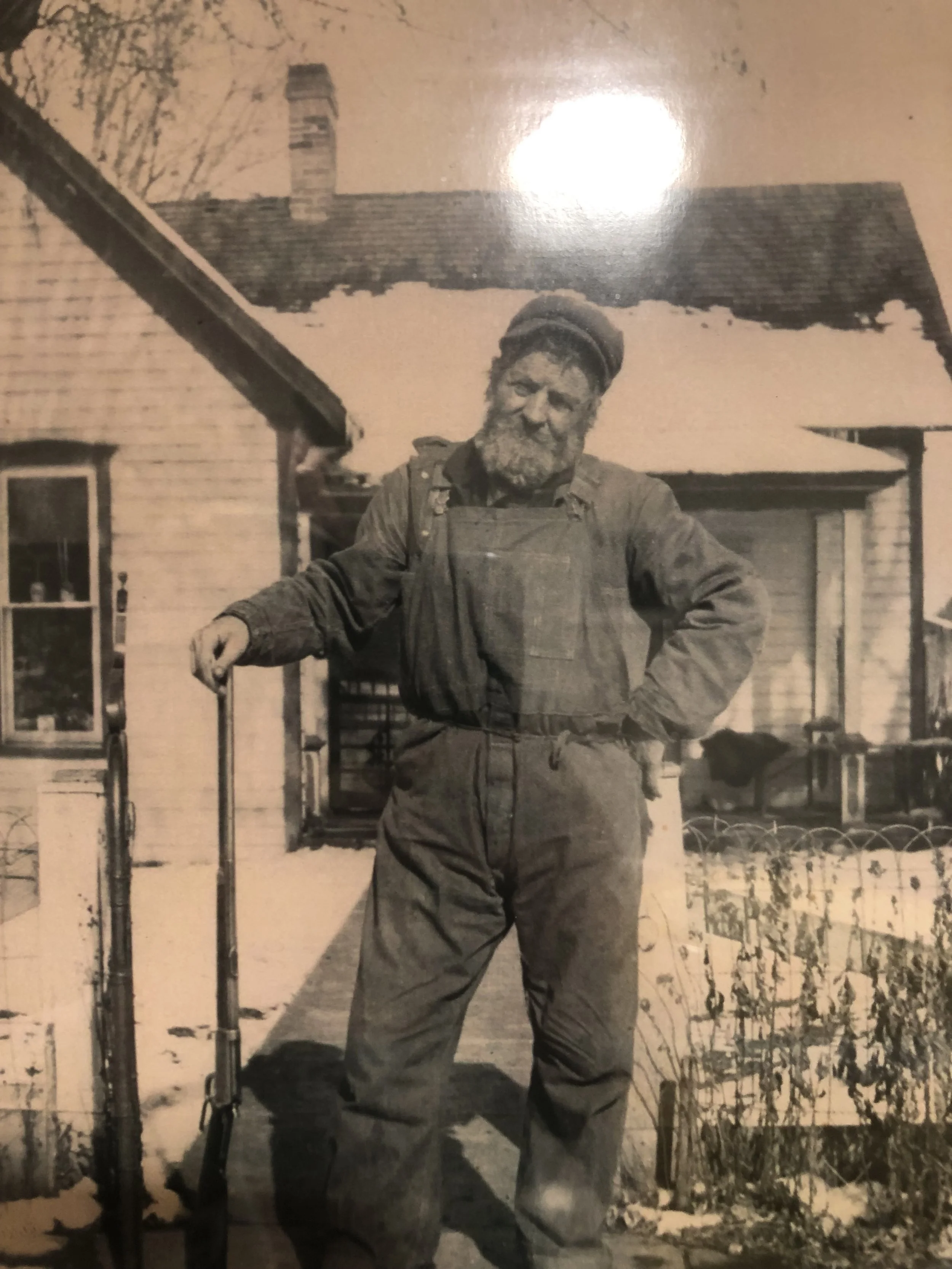
In the Post-Colonial United States, hunting has long been framed through a familiar cultural image: the rugged outdoorsman. Outdoor media and hunting culture frequently present the hunter as straight, masculine, and white. The deer camp, the deer blind, and the tree stand have become symbolic spaces where heterosexual masculinity is not just assumed but performed.
But this narrative has never fully captured who actually occupies the woods.
Queer hunters have always existed within rural landscapes. Many of us grew up learning to hunt from family members, inheriting the same traditions that shape rural relationships to land, wildlife, and food. Yet hunting culture often assumes that queerness exists somewhere else—typically imagined as urban, distant from the forests and fields where hunting takes place.
Because of this assumption, queer hunters often move through hunting spaces with a heightened awareness of how identity is read and interpreted. Casual remarks about masculinity or sexuality circulate easily in hunting camps: jokes about “real men,” comments about what hunters are supposed to look like, or the suggestion that queerness has no place in the woods.
Outdoor writer David Stalling described this cultural tension when reflecting on reactions to the film Brokeback Mountain. In response to the idea that cowboys—or men who work and live in rural landscapes—could be gay, one critic insisted that “No good, God-fearing Wyoming cowboy would engage in homosexual behavior” (Stalling, 2006). The comment reveals how strongly heterosexual masculinity is embedded in the mythology of the American outdoors.
Yet the presence of queer hunters complicates this mythology.
For me, hunting has always been part of how I understand landscape. Sitting quietly in a tree stand before sunrise, listening to the landscape wake up, I experience the same rhythms of season, animal movement, and weather that generations of hunters have observed. My relationship to the land is not separate from my identity as a queer person—it is shaped by it.
Queerness carries a particular way of seeing.
Queer people often move through the world with an awareness of hidden histories and layered identities, recognizing that spaces frequently contain stories that dominant narratives overlook. When queer hunters enter the woods, we bring that perspective with us. The landscape becomes not just a site of tradition but also a place where inherited cultural narratives can be questioned and reimagined.
In this sense, queerness introduces new energies into hunting culture.
Rather than reinforcing rigid ideas about masculinity, queer hunters can shift the meaning of hunting toward relationships—between humans and ecosystems, between bodies and landscapes, and between tradition and change. The act of hunting remains the same but the cultural story surrounding those actions begins to expand.
The woods, after all, are not static. They are living ecosystems constantly reshaped by movement, adaptation, and survival.
Queer hunters participate in that process of transformation. Our presence suggests that hunting does not belong to one identity or one version of masculinity. Instead, it belongs to those who engage deeply with the land and the responsibilities that come with it.
If the future of hunting in America continues to evolve, it may be shaped not only by tradition but by the voices that were once expected to remain silent.
Queer hunters are part of that future.
And perhaps our presence reveals something that has always been true: the woods were never as straight as we were told.