
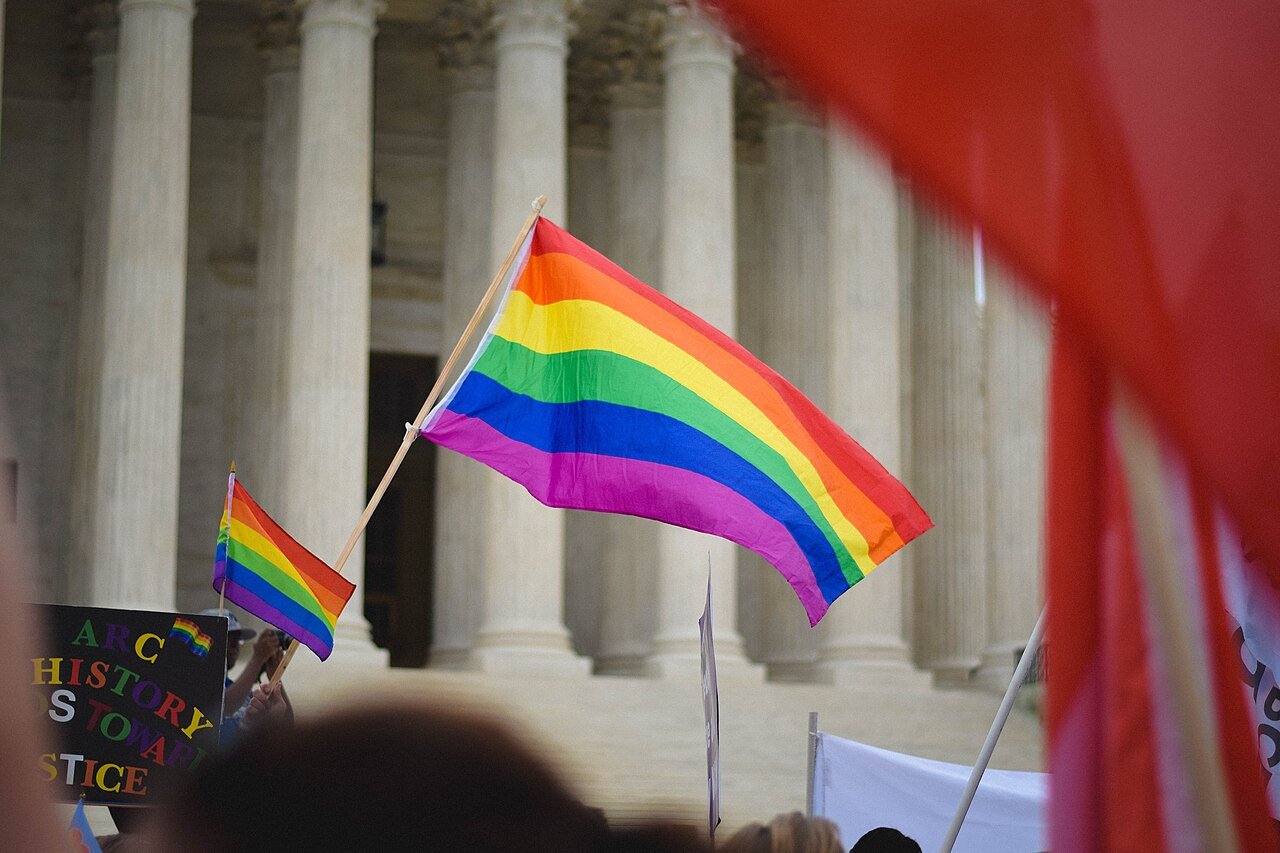
In much of the rural United States, and especially across the South, political slogans and cultural symbols are often treated as neutral décor. For queer residents, however, presence is always consequential and socially legible. In the South, Confederate flags are widespread—displayed on porches, alongside highways, mounted at crossroads—normalized through repetition and largely unremarked upon, even as their historical meaning is rooted in secession and racialized violence. A Pride flag, by contrast, is often read as a challenge or transgression, signaling difference rather than belonging. This contrast highlights how social imaginaries in the rural South structure who is acknowledged, who is sanctioned, and who must navigate precariousness in everyday life (Advocate, n.d.; Movement Advancement Project, 2019).
These contradictions have tangible consequences. Across rural America, an estimated 2.9–3.8 million LGBTQ people live in communities where nondiscrimination protections are often weak or absent, and harmful laws—such as religious exemptions—remain on the books (Equality Federation, n.d.; Movement Advancement Project, 2019). National data show that LGBTQ people are five times more likely than non‑LGBTQ people to be victims of violent crime and nine times more likely to experience violent hate crimes motivated by sexual orientation or gender identity bias (Williams Institute, n.d.). Isolation, limited resources, and lack of local protections exacerbate the impact of bias, making everyday visibility a risky but necessary assertion of identity (Rural Gender Violence & LGBTQ Youth, n.d.; Advocate, n.d.).
The symbolic economy of flags in the rural South—where emblems of historical treason are normalized and emblems of queer life are treated as controversial—reveals the everyday politics of belonging. While Confederate flags persist with relative impunity, Pride flags continue to signal both presence and vulnerability, particularly in areas with limited nondiscrimination protections (Movement Advancement Project, 2019; Equality Federation, n.d.; Advocate, n.d.).
These dynamics are compounded by federal policy under the Trump administration, which poses active threats to queer lives and legal protections nationwide. Since January 2025, the administration has rescinded federal nondiscrimination protections, restricted access to gender-affirming care for transgender individuals, removed LGBTQ references from federal surveys, and limited supportive services in education and health (KFF, 2026; Executive Orders 14151, 14168, 14187, 2025; Washington Blade, 2026). These actions intensify structural exclusion and make visibility more precarious, particularly for rural queer communities that already face isolation and limited local support.
Taken together, these forces underscore the complex position of queer people in rural America. Visibility is both necessary and risky, and everyday life requires navigating symbols, policies, and social norms that can threaten safety and well-being. While community ties and resilience persist, structural inequities and hostile cultural and political environments continue to shape queer experience, making the assertion of identity both a statement of survival and a demand for belonging.
References
Advocate. (n.d.). [Reporting on rural LGBTQ life, dynamics of outness, community ties, and safety].
Equality Federation. (n.d.). Where we call home: LGBTQ people in rural America. Retrieved from https://www.equalityfederation.org/resources/rural-lgbtq
Executive Order 14151, Ending radical and wasteful government DEI programs and preferencing (2025).
Executive Order 14168, Defending women from gender ideology extremism and restoring biological truth to the federal government (2025).
Executive Order 14187, Protecting children from chemical and surgical mutilation (2025).
Kaiser Family Foundation. (2026, January 5). Overview of President Trump’s executive actions impacting LGBTQ+ health. Retrieved from https://www.kff.org/lgbtq/overview-of-president-trumps-executive-actions-impacting-lgbtq-health/
Movement Advancement Project. (2019). Where we call home: LGBT people in rural America. https://www.lgbtmap.org/rural-lgbtq
Rural Gender Violence & LGBTQ Youth. (n.d.). [Context on unacceptance and challenges in rural areas].
Washington Blade. (2026, January 29). Expanded global gag rule to ban US foreign aid to groups that promote ‘gender ideology’. Retrieved from https://www.washingtonblade.com/2026/01/29/expanded-global-gag-rule-to-ban-us-foreign-aid-to-groups-that-promote-gender-ideology/
Williams Institute. (n.d.). Anti-LGBT victimization in the United States. Retrieved from https://williamsinstitute.law.ucla.edu/press/anti-transgender-legislation-press-release/